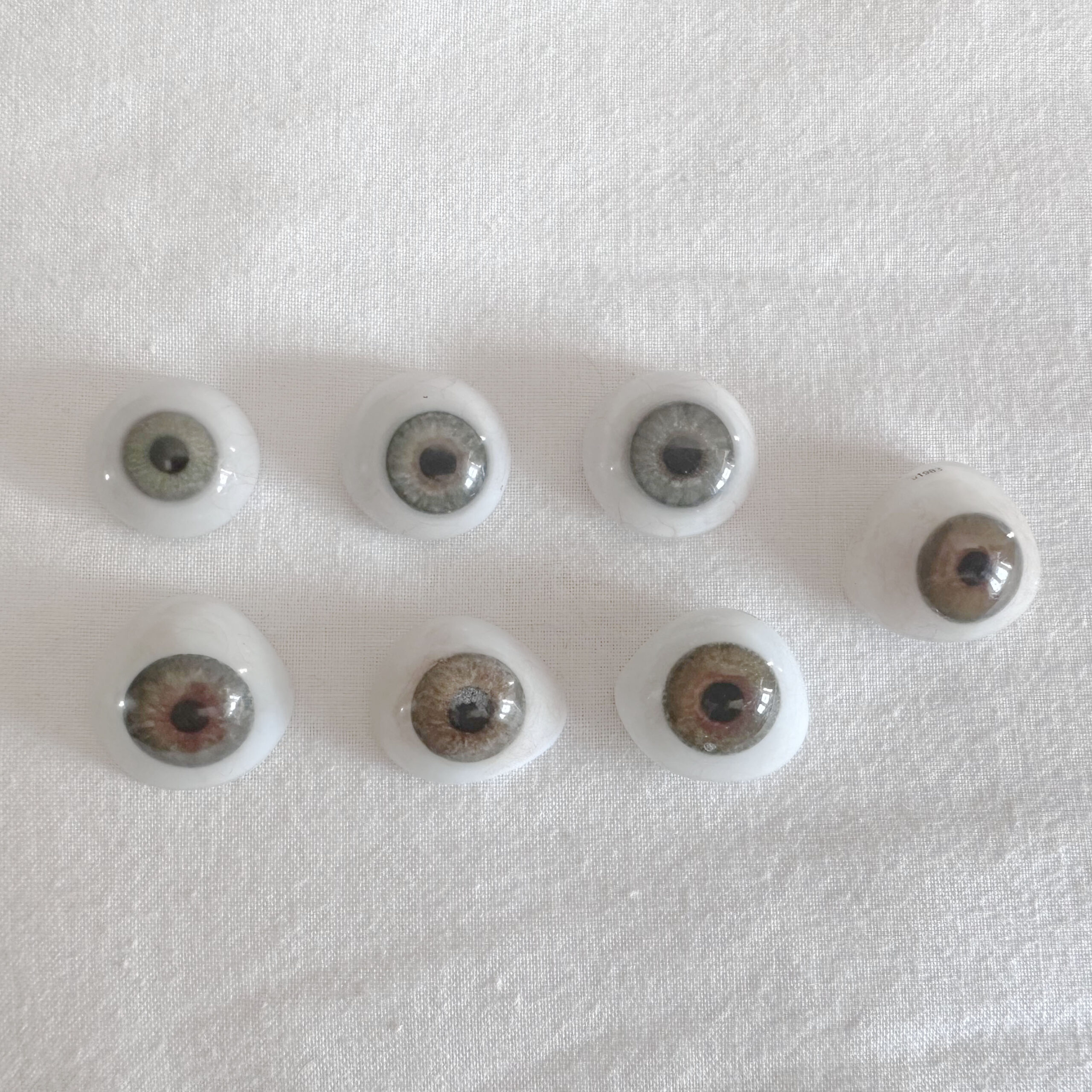
Prosthetic Eyes
What Are Prosthetics?
If a child has Anophthalmia or severe Microphthalmia, it is usually recommended that a prosthesis be fitted as soon as possible. The shape of the prosthetic helps to promote bone and tissue growth in and around the eye socket, which is important as your child grows.
Prosthetic eyes are usually made of acrylic and they can be painted to look like real eyes, also helping with cosmetic appearance. If a child has some vision, or light perception in the eye, then clear acrylic shapes are often used to maintain that vision.
Getting a Prosthetic: The Process
If a prosthetic is recommended, a specialist consultant will assess whether it’s suitable for your child. Some hospitals have dedicated prosthetic departments, while others may refer you elsewhere. You have the right to choose where your child receives care, including specialist centers like Moorfields Eye Hospital.
National Artificial Eye Service (NAES) Journey:
- Referral & Registration – A medical professional refers you, and NAES contacts you within six weeks.
- First Appointment – A 90-minute session where a temporary prosthetic may be provided.
- Molding Appointment – A socket impression is taken for a custom fit (approx. eight weeks later).
- Fitting Appointment – Around six weeks later, the final prosthetic is fitted.
- Annual Check-Ups – Follow-up appointments ensure comfort and maintenance.
Caring for a Prosthetic
- Cleaning: Wash with warm water and mild, unscented soap. Avoid harsh chemicals.
- Storage: Keep in a clean, dry container if removed.
- Handling: Be careful to prevent chipping or damage.
- Professional Care: Annual polishing keeps it in good condition.
Making the Right Choice
Choosing a prosthetic is a personal decision. Some families find it helps with social confidence and symmetry, while others opt against it. In cases of bilateral anophthalmia, prosthetics are often cosmetic. It’s okay to ask questions, seek second opinions, and decide what’s best for your child.
Real Experiences: MACS Member Stories
Many parents initially feel overwhelmed but find that prosthetics become a normal part of life. Some children even enjoy showing them off as a fun "party trick." Others have opted out and emphasize the importance of building confidence without one.
💡 Whether you choose prosthetics or not, support is available. MACS is here to help—connect with us at enquiries@macs.org.uk or through our Facebook support group.
My Eye Man – A Resource for Children
Getting a prosthetic eye can be one of the most challenging experiences for a child with MACS. To help make this journey easier, we've created My Eye Man, a book that follows Katie as she gets her new eye.
This book has been great, my son's nursery has read it to all the other children and it has really helped them understand things too.
Please download a PDF copy of My Eye Man here for your child or visit our shop to order a hard copy.
Support for Parents & Carers
Watching your child go through this process can be emotionally challenging. We understand the impact it has on parents, caregivers, and family members.
For more guidance and information on every stage of the journey, download Prosthetic Eyes, Transforming Lives.
We've created some valuable resources for our members, which are free to download and share. Find them below
Additional support from MACS
If you would like to find out more information on that topic, MACS can put you in touch with clinical advisors who will be able to advise on all aspects of ocular prosthetics. Please contact enquiries@macs.org.uk